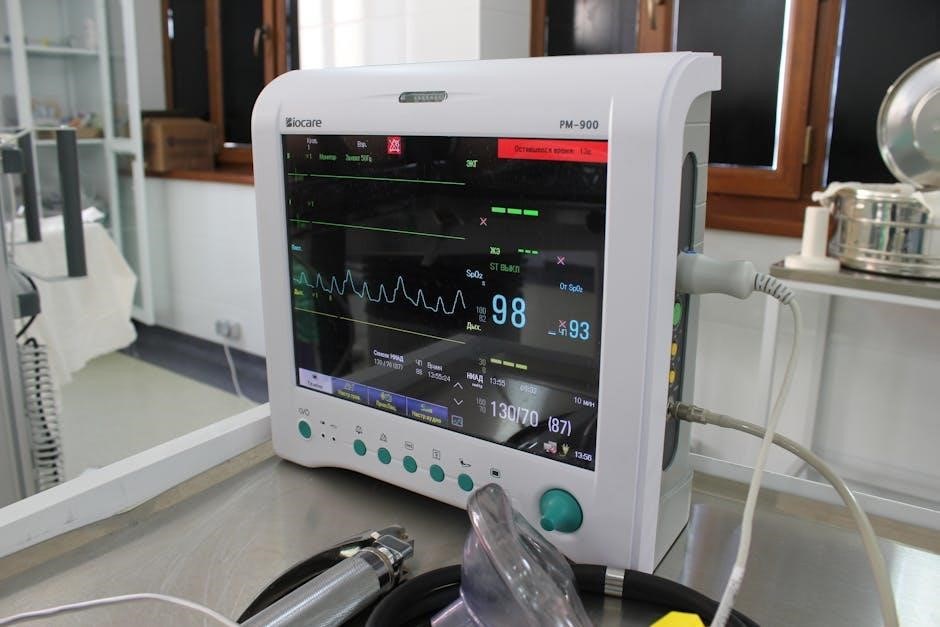
dsc 1616 installer manual

The DSC 1616 manual is an essential guide for installers, covering system operations, proper installation, and programming․ Follow it to ensure optimal performance and functionality․

Importance of the Manual

The DSC 1616 installer manual is a critical resource for ensuring proper installation, programming, and operation of the security system․ It provides detailed instructions for wiring, configuration, and troubleshooting, helping installers avoid common errors․ The manual also outlines essential safety precautions and compliance standards, ensuring the system functions reliably and securely․ By following the guidelines, installers can optimize system performance, reduce downtime, and guarantee user satisfaction․ Adhering to the manual is vital for maintaining the integrity and effectiveness of the DSC 1616 security setup․

Structure and Content

The DSC 1616 manual is organized into clear sections, starting with an introduction, followed by system overview, installation steps, programming details, and troubleshooting guides․ Each section provides concise instructions, diagrams, and reference materials to assist installers․ The manual also includes appendices with technical specifications, error codes, and contact information for support․ This structured approach ensures that installers can efficiently navigate through the documentation, accessing the information they need without confusion․ The content is comprehensive, covering all aspects of system setup and maintenance, making it an indispensable tool for professionals working with the DSC 1616․

System Overview

The DSC 1616 system is a versatile security solution designed for residential and small commercial applications, offering advanced features and compatibility with various DSC components․

Key Features of the DSC 1616

The DSC 1616 is a high-performance security control panel designed for flexibility and reliability․ It supports up to 16 zones and 4 partitions, enabling customized security solutions․ The system features advanced user code management, partitioning options, and compatibility with wireless devices․ It also includes an intuitive keypad interface for easy operation and programming․ The DSC 1616 is part of the PowerSeries line, known for its scalability and seamless integration with other DSC components․ Its robust design ensures reliable performance in both residential and small commercial settings, making it a trusted choice for security installations․

Compatibility with Other DSC Models

The DSC 1616 seamlessly integrates with other DSC PowerSeries panels, including the PC1832 and PC1864, ensuring a unified security ecosystem․ It supports DSC wireless devices, such as the PC5400, for enhanced functionality․ The system is also compatible with a range of keypads and expansion modules, allowing for tailored configurations․ This compatibility ensures that the DSC 1616 can be easily incorporated into existing DSC systems, providing installers with flexibility and end-users with a cohesive security solution․ This interoperability is a key advantage of the PowerSeries line․

Installation Process

The DSC 1616 installation involves preparing tools, wiring the system, and mounting the control panel․ Follow the manual for proper setup to ensure reliable functionality․

Preparation and Tools Needed

Before installing the DSC 1616, ensure you have the necessary tools, such as screwdrivers, wire strippers, and a multimeter․ Gather all components, including wires, mounting hardware, and power supplies․ Disconnect any existing systems and ensure the area is clear of debris․ Review the system design and wiring layout to avoid errors․ Power must be disconnected during installation to prevent electrical hazards․ Familiarize yourself with the manual and ensure compliance with local regulations․ Proper preparation ensures a smooth and safe installation process․

Wiring and Connectivity

Proper wiring is crucial for the DSC 1616 system․ Use the correct wire gauges for zone connections, ensuring all terminals are securely fastened․ Connect power supplies and communication lines according to the manual․ Verify polarity to avoid damage․ Grounding is essential for system stability and interference reduction․ Follow wiring diagrams provided in the manual for accurate connections․ Test all wires before powering on the system to ensure integrity․ Proper connectivity ensures reliable performance and minimizes potential issues during operation․

MOUNTING the Control Panel

Mount the DSC 1616 control panel in a secure, accessible location․ Ensure the surface is level and sturdy to prevent any movement or damage․ Use the provided screws or appropriate mounting hardware to secure the panel firmly․ Avoid areas exposed to moisture or extreme temperatures․ Position the panel at a comfortable height for easy operation․ Verify that all cables and wires are neatly routed to maintain a clean installation․ Double-check that the panel is properly aligned and securely fastened to prevent any shifting or tampering․ Ensure the mounting location allows for proper airflow to prevent overheating․ Follow the manual’s specific guidelines for optimal installation results․

Programming the System

Programming the DSC 1616 system is essential for configuring its features and ensuring optimal performance․ Follow the manual’s guidelines for successful setup and functionality․

Basic Programming Steps

Basic programming involves entering programmer mode, defining zones, and setting user codes․ Press [][8] and enter the installer code (default: 5555) to access programming․ Use the keypad to navigate through sections․ Define each zone by assigning a zone type (e․g․, door, window) and enabling or disabling features like tamper or bypass․ Set user codes by pressing [][5] and following on-screen instructions․ Ensure all zones are tested after programming to confirm proper functionality․ Refer to the manual for specific key sequences and detailed instructions․

Advanced Configuration Options

Advanced configuration options allow for tailored system customization․ Define custom zone types, such as motion detectors or glass break sensors, and configure partitioning to control multiple areas independently․ Enable communication settings for IP modules, ensuring remote monitoring and notifications․ Set up schedules for automatic arming/disarming and program event-driven responses․ Use the keypad to configure these settings, following the manual’s guidance for specific codes and sequences․ Ensure all configurations are tested to verify functionality and system integrity․

Using the Keypad for Remote Upload/Download

The keypad allows for remote upload/download of system configurations, enabling efficient programming without physical access to the control panel․ Enter the installer code and navigate to the programming menu․ Use the [*] and [1] keys to initiate the upload/download process․ Ensure the panel is connected to a compatible device or network for remote operations․ This feature streamlines updates and reduces on-site visits, saving time and effort․ Always verify connectivity and follow the manual’s instructions for successful remote operations․

User Codes and Partitions

User codes enable personalized system access, while partitions allow zoning security control․ This section guides setup, ensuring tailored security solutions for enhanced system management and user convenience․

Setting Up User Codes

Setting up user codes on the DSC 1616 allows for personalized system access․ To begin, access the programming mode by entering the installer or master code․ Assign unique codes to each user, ensuring they are 4-6 digits long․ Codes can be customized for specific partitions or zones․ After inputting, save the changes․ Test each code to confirm functionality․ This process ensures secure and efficient user management․ Codes can be updated or deleted as needed․ Proper setup guarantees reliable system operation and tailored access control for all users․ Always verify codes post-configuration to ensure accuracy․

Understanding and Configuring Partitions

Partitions in the DSC 1616 system allow you to divide your security setup into independent areas, each controlled separately․ This feature is ideal for managing different zones or sections within a property․ To configure partitions, start by defining each area’s boundaries and assigning specific zones․ Each partition can have unique security settings, enabling tailored protection for different parts of your space․ Users can arm or disarm individual partitions without affecting others, providing flexibility and enhanced security management․ Proper configuration ensures that each partition operates seamlessly, offering customized control and peace of mind for all users․

Troubleshooting

Troubleshooting the DSC 1616 involves identifying common issues like error codes or system malfunctions․ Refer to the manual for solutions and perform diagnostics to resolve problems efficiently․

Common Issues and Solutions

Common issues with the DSC 1616 include incorrect keypad programming, sensor faults, and communication errors․ Solutions involve recalibrating sensors, verifying wiring connections, and updating system firmware․ Ensure all zones are closed before arming to prevent false alarms․ Refer to the manual for specific error code interpretations and step-by-step troubleshooting guides․ Regular system tests and updates can prevent recurring problems․

Interpreting Error Codes

Error codes on the DSC 1616 system indicate specific issues, such as zone faults or communication failures․ Codes like “Zone Open” or “Low Battery” alert users to sensor problems․ Refer to the manual for detailed code meanings․ Pressing the * key twice displays faulted zones, while the # key clears some errors․ Addressing errors promptly ensures system reliability․ If unresolved, consult the troubleshooting section or contact a certified technician for assistance․ Regular checks can prevent recurring issues and maintain optimal security system performance․ Always follow the manual’s guidance for accurate interpretations and solutions․

After completing the installation and programming, ensure all systems are tested․ For additional support, refer to the DSC website, technical support center, or authorized dealers․

Final Checks and System Testing

After installation, perform a thorough system test to ensure all components function correctly․ Check zone statuses, keypad responsiveness, and alarm triggers․ Verify communication with the monitoring station and test backup power․ Ensure all user codes and partitions are configured properly․ Conduct a final walk-through with the user to demonstrate system operation․ Address any issues promptly to guarantee reliability and security․ Proper testing ensures the system meets the user’s needs and provides optimal protection․

Recommended Additional Reading

For a deeper understanding, refer to the DSC PowerSeries Installation Guide and supplementary manuals․ The PC1616, PC1832, and PC1864 models share similar configurations, making cross-referencing beneficial․ Explore DSC’s official website for updated documentation and technical bulletins․ Additional resources include user forums and manufacturer-approved training materials․ These materials provide insights into advanced features, troubleshooting, and best practices for system maintenance․ Ensure you review all relevant guides to maximize system performance and adapt to future updates or expansions․ This comprehensive approach will help you master the DSC 1616 system and its capabilities effectively․

the book. the ultimate guide to rebuilding a civilization

Discover the ultimate blueprint for rebuilding civilization. This 400-page guide blends survival techniques with society-building strategies, offering detailed insights and visuals for a sustainable future;

Overview of the Book’s Purpose and Scope

This comprehensive guide serves as a go-to resource for rebuilding civilization, offering detailed insights into survival, societal reconstruction, and sustainable practices. It covers essential skills, technological foundations, and environmental harmony, providing a holistic approach to creating a resilient future. Designed for both individuals and communities, it blends practical knowledge with theoretical frameworks, ensuring a well-rounded understanding of civilization-building.

Target Audience and Unique Value Proposition

Designed for a broad audience, this book appeals to historians, survivalists, policymakers, and educators. It offers a unique blend of practical knowledge and theoretical insights, making it invaluable for both enthusiasts and experts. By combining engaging visuals with detailed information, it stands out as a comprehensive resource for anyone interested in rebuilding societies, ensuring its relevance for both present and future generations.

Key Features of the Book

This 400-page guide offers engaging visuals, practical survival techniques, and historical insights. It’s a must-have for anyone interested in rebuilding societies sustainably and effectively.

Comprehensive 400-Page Structure

The book’s 400 pages are meticulously organized, covering essential topics like survival skills, societal reconstruction, and sustainable practices. Each section is designed to guide readers from basic principles to advanced strategies, ensuring a holistic understanding of civilization rebuilding. Detailed chapters and clear structure make it an invaluable resource for both novices and experts.

Engaging Illustrations and Visual Content

The book features captivating illustrations and visuals that enhance understanding and engagement. Detailed diagrams, infographics, and images bring concepts to life, making complex ideas accessible. The visually appealing design ensures readers stay captivated, blending art and knowledge seamlessly. This coffee-table style presentation makes it both informative and enjoyable, perfect for inspiring creativity and practical application.

Practical Knowledge for Survival and Reconstruction

The book provides actionable strategies for survival and rebuilding, covering essential skills like fire-making, water sourcing, and plant identification. It also delves into advanced techniques for constructing infrastructure and sustainable systems. Real-world applications and historical examples ensure readers gain comprehensive, practical insights to navigate challenges and build resilient communities effectively.


Historical Context and Inspiration

Discover historical insights from past civilizations and timeless principles for rebuilding societies, offering a foundation for creating a resilient future.

Lessons from Past Civilizations

The book analyzes historical successes and failures, offering insights into governance, sustainability, and cultural preservation. By studying ancient civilizations, readers gain practical wisdom for rebuilding societies, ensuring a stronger foundation for future generations. These lessons highlight the importance of learning from history to create resilient and thriving communities.

Timeless Principles for Rebuilding Societies

The book outlines universal principles for societal reconstruction, emphasizing adaptability, resilience, and ethical leadership. It explores how balancing individual freedoms with collective needs fosters harmony and progress. These principles, drawn from historical insights, provide a roadmap for creating sustainable, equitable, and culturally rich societies, ensuring a strong foundation for future generations to thrive.

Practical Skills for Rebuilding

Master essential survival techniques like fire-making, water sourcing, and identifying edible plants. Learn foundational technological skills for constructing shelter, tools, and sustainable infrastructure, ensuring a strong Restart.

Essential Survival Techniques

This section provides a comprehensive guide to essential survival techniques, including fire-making, water sourcing, and identifying edible plants. It also covers first aid and basic tool crafting, ensuring readers are equipped to handle immediate challenges. The book offers detailed explanations and engaging visuals, making complex skills accessible. These techniques are crucial for surviving in harsh environments and laying the groundwork for rebuilding a sustainable future;

Technological Foundations for a New Society

This section explores the critical technologies needed to establish a new society, from renewable energy systems to advanced infrastructure. It provides detailed insights into communication networks, sustainable agriculture, and innovative materials. The book offers practical guidance on implementing these technologies, ensuring a solid foundation for long-term growth and development. These principles are essential for creating a resilient and forward-thinking civilization.

Governance and Social Structures

Explore essential frameworks for organizing societies, balancing leadership, and fostering community. This section provides insights into creating systems that promote stability, equity, and collective well-being in a rebuilt world.

Creating a Functional Society

This section outlines the core principles for establishing a thriving community, emphasizing the importance of clear governance, equitable resource distribution, and inclusive decision-making processes. It offers practical advice on structuring roles, fostering collaboration, and ensuring the well-being of all members, creating a solid foundation for enduring societal growth and harmony. The insights are designed to empower leaders and citizens alike in building resilient communities.

Balancing Individual Freedom and Collective Needs

Explore the delicate balance between personal liberties and societal responsibilities. The book provides frameworks for ensuring individual rights while addressing collective challenges, fostering a harmonious society where freedom and unity coexist. By offering practical strategies, it guides leaders in making decisions that uphold both personal autonomy and the greater good, ensuring a stable and equitable future for all.

Environmental Sustainability

Emphasizes harmony with nature, sustainable practices, and renewable resources to create an eco-friendly foundation for rebuilding societies, ensuring a balanced and thriving environment for future generations.

Harmony with Nature

The book underscores the importance of living in sync with the environment, emphasizing sustainable practices and renewable resources. It provides practical insights into eco-friendly living, ensuring a balanced relationship between human progress and natural preservation. By integrating timeless ecological principles, the guide equips readers with the knowledge to create a thriving, nature-aligned society for future generations.

Renewable Resources and Eco-Friendly Practices

The book highlights innovative methods for harnessing renewable energy and sustainable materials. It explores eco-friendly practices, from agriculture to waste management, ensuring minimal environmental impact. By prioritizing green technologies and resource efficiency, the guide empowers readers to build a civilization that thrives in harmony with nature, securing a healthier planet for future generations to inherit.

Cultural Preservation and Revival

The book emphasizes the importance of preserving cultural heritage while integrating art, science, and tradition. It offers insights into reviving lost practices and fostering a vibrant, inclusive society.

Importance of Heritage in Rebuilding

Heritage serves as the cornerstone of identity, unity, and wisdom for rebuilding societies. The book highlights how preserving traditions, art, and historical knowledge fosters resilience and innovation, ensuring a strong foundation for future generations to thrive and rebuild sustainably.

Integrating Art, Science, and Tradition

The book seamlessly blends art, science, and tradition, showcasing their synergy in rebuilding civilizations. It explores how creativity, innovation, and cultural wisdom together create a balanced and resilient society. By merging these elements, the guide offers a holistic approach to progress, ensuring that future societies are rooted in both timeless values and cutting-edge knowledge, fostering harmony and sustainable growth.

Case Studies and Real-World Applications

The book examines historical civilization rebuilding efforts and applies these lessons to modern challenges, offering practical insights for real-world scenarios and future societal reconstruction.

Historical Examples of Civilization Rebuilding

The book explores pivotal moments in history, such as ancient Mesopotamia and post-catastrophe Japan, revealing how past societies rebuilt and thrived. These case studies provide timeless lessons in resilience, governance, and innovation, offering practical insights for modern rebuilders. By examining these historical successes and challenges, readers gain a deeper understanding of the principles that underpin successful civilization revival and growth.

Modern-Day Scenarios and Challenges

The book explores modern scenarios such as pandemics, climate change, and technological collapse, offering actionable strategies for rebuilding. It provides insights into navigating these challenges, emphasizing sustainability and innovation to ensure a resilient future for societies.

This comprehensive guide empowers readers with practical knowledge and inspiration, offering a visionary roadmap for rebuilding civilizations. It serves as an essential resource for shaping a sustainable and resilient future.

The Book’s Impact on Readers

The Book: The Ultimate Guide to Rebuilding a Civilization profoundly impacts readers by offering a blend of practical survival skills and visionary strategies. It empowers individuals to think critically about societal reconstruction, fostering a deeper understanding of history, technology, and sustainability. This comprehensive guide not only educates but also inspires, leaving a lasting impression on its audience. Readers gain invaluable insights and tools, making it an indispensable resource for anyone interested in shaping a better future.

A Vision for the Future

The Book: The Ultimate Guide to Rebuilding a Civilization envisions a future where humanity thrives through sustainable practices and innovative solutions. It inspires readers to create a modern society that balances progress with harmony, preserving culture while embracing technology. This visionary guide equips individuals with the tools to rebuild and foster resilient communities, ensuring a brighter, more equitable world for generations to come.

Epilogue: The Book as a Timeless Resource

The Book: The Ultimate Guide to Rebuilding a Civilization is a timeless resource, offering insights from basic survival to advanced societal reconstruction, ensuring its enduring relevance for humanity’s future;

Why It’s a Must-Have for Every Library

This comprehensive guide is a must-have for libraries due to its detailed insights into survival, societal reconstruction, and sustainability. Its 400 pages of engaging visuals and practical knowledge make it an invaluable resource for researchers, students, and enthusiasts. The book’s universal appeal and timeless wisdom ensure it will remain a cherished and frequently referenced collector’s item in any collection.

Its Role in Shaping Tomorrow’s World

This book serves as a cornerstone for envisioning and building a resilient future. By offering practical wisdom and innovative ideas, it empowers individuals and communities to create sustainable societies. Its comprehensive approach to civilization rebuilding makes it a vital resource for educators, policymakers, and visionaries, inspiring a new generation to tackle global challenges with creativity and determination.

negative std test results form pdf

The negative STD test results form PDF is a printable document designed to provide clear and concise test results for sexually transmitted diseases. It ensures confidentiality and accuracy, allowing individuals to understand their health status and take necessary steps for protection. The form is often used by healthcare providers and is accessible online for easy download and electronic signature.

Overview of STD Test Results

STD test results provide essential information about an individual’s health regarding sexually transmitted diseases. These results are categorized as negative, positive, or inconclusive, indicating the absence, presence, or need for further testing of specific infections. A negative result means no STD was detected, while a positive result confirms the presence of an infection, such as chlamydia, gonorrhea, or HIV. The negative STD test results form PDF is a standardized document used to communicate these findings securely. It often includes personal details, test dates, and interpretations of results. This form is crucial for healthcare providers to guide treatment, prevention, and further testing. It also ensures confidentiality and clarity, making it easier for individuals to understand their health status and take appropriate actions.

Importance of Negative STD Test Results

A negative STD test result is crucial for providing peace of mind and confirming the absence of sexually transmitted infections. It reassures individuals that they are not infected, allowing them to engage in sexual activities confidently. Negative results also play a key role in public health by reducing unnecessary treatments and preventing the spread of misinformation. They encourage open discussions about sexual health and promote responsible behavior. Additionally, negative results can serve as documentation for employment, travel, or medical purposes. Regular testing and clear results are vital for maintaining personal and community well-being. This documentation helps individuals make informed decisions about their health and relationships, fostering a safer and more aware society.

Understanding the Structure of the Form

The negative STD test results form PDF is structured to ensure clarity and efficiency. It typically includes sections for personal information, test details, and results interpretation. The form begins with demographic fields such as name, date of birth, and contact details. Next, it outlines the specific STDs tested, methods used, and the date of testing. Results are clearly marked as “negative” or “positive,” with additional notes for non-reactive or undetected outcomes. The form may also include space for a healthcare provider’s signature and electronic verification. Fillable fields and checkboxes streamline the process, while legible formatting ensures accuracy. This structured approach guarantees that all necessary information is captured and easily understood, making it a reliable tool for healthcare providers and individuals alike.

Obtaining a Negative STD Test Results Form

The negative STD test results form PDF is accessible online through healthcare providers or university portals, offering easy download and electronic management options for users.

Where to Find the Form

The negative STD test results form PDF is widely available online through platforms like signNow and pdfFiller. It can also be accessed via specific websites, such as those provided by healthcare providers or educational institutions like Southern Illinois University. Additionally, the form may be available on dedicated medical portals or laboratory websites, such as LabCorp, where test results are processed. Users can easily download the form, fill it out electronically, and even add an electronic signature. Some platforms offer dynamic fillable versions, ensuring convenience and security. This accessibility makes it simple for individuals to obtain and manage their STD test results efficiently and discreetly.

Steps to Download and Access the Form

To download and access the negative STD test results form PDF, visit platforms like signNow or pdfFiller. Search for the form using keywords such as “negative STD test results form PDF.” Once found, click the “Download” or “Get Form” button to save it to your device. Ensure you have a PDF viewer or editor installed to open the file. Some platforms allow direct editing online without downloading. For dynamic versions, sign in to your account, select the form, and begin filling it out electronically. Platforms like airSlate SignNow also offer iOS apps for mobile access. Follow on-screen instructions to complete and eSign the form securely.

Required Information for Completion

To complete the negative STD test results form PDF, you will need to provide specific personal and medical details. This includes your full name, date of birth, and contact information. Additionally, you must enter the type of STD test conducted, the date of the test, and the laboratory reference number. The form also requires the test results status, marked as “negative” or “positive,” along with any relevant comments or notes from the healthcare provider. In some cases, you may need to include the name and contact details of the prescribing physician or the laboratory conducting the test. Ensure all information is accurate to avoid delays or misunderstandings in processing the form.

Filling Out the Negative STD Test Results Form

Filling out the negative STD test results form PDF requires accurate information, including personal details, test specifics, and electronic signatures for validation and secure submission.

How to Fill the Form Accurately

To ensure accuracy, carefully enter personal and test details in the negative STD test results form PDF. Provide full names, dates, and test IDs without errors. Review all fields to avoid missing or incorrect information. Use autofill tools if available, but verify each entry manually. Avoid common mistakes like mismatched data or incomplete sections. Ensure all signatures, including those of healthcare providers, are included. Double-check the form before submission to maintain its validity and confidentiality. Accuracy ensures clear communication of results and proper record-keeping for future reference or legal purposes. Always follow the instructions provided with the form to guarantee a flawless completion process.

Electronic Signature and Submission

The negative STD test results form PDF supports electronic signatures, enabling quick and secure submission. Platforms like pdfFiller, SignNow, or DocHub allow users to sign the form digitally. After filling in the required details, simply add your eSignature using the platform’s tools. Once signed, the form can be emailed or uploaded to the designated healthcare system. Ensure all fields, including the healthcare provider’s signature, are completed before submission. Electronic submission eliminates the need for physical paperwork, reducing processing time and enhancing confidentiality. This method is efficient, secure, and environmentally friendly, making it a preferred choice for modern healthcare documentation.

Common Mistakes to Avoid

When handling the negative STD test results form PDF, avoid common errors that may delay processing or lead to inaccuracies. Ensure all personal and medical information is entered correctly, as typos can cause confusion. Do not leave required fields blank, such as dates or test types. Double-check the form for completeness before submission. Avoid using unapproved editing software, as it may corrupt the PDF format; Ensure electronic signatures are valid and properly placed. Lastly, verify that the form is submitted to the correct recipient, such as a healthcare provider or institution. Careful attention to these details ensures the form is processed efficiently and effectively, maintaining the integrity of the results.

Interpreting the Results

The negative STD test results form PDF clearly indicates “Not Detected” or “Non-Reactive” for infections, confirming no pathogens were found. Understand each term to accurately interpret your health status.

Understanding Negative Results

A negative STD test result indicates that no infection was detected during the testing process. Terms like “Not Detected” or “Non-Reactive” are commonly used to denote this outcome. This means the individual does not have the specific STD tested for at the time of the test. However, it’s important to note that some infections may have a window period, during which the test might not detect the infection even if exposure occurred. Always consult a healthcare provider to interpret results accurately. A negative result does not guarantee immunity or protection against future infections, emphasizing the need for continued safe practices and regular testing.

Next Steps After Receiving Results

Receiving a negative STD test result brings peace of mind, but it’s crucial to take proactive steps. First, discuss the results with a healthcare provider to ensure understanding and address any concerns. If unprotected exposure occurred, consider retesting after the window period to confirm accuracy. Continue practicing safe sexual habits to prevent future infections. Regular testing is recommended, especially for sexually active individuals with multiple partners. Additionally, share results with recent partners if necessary and maintain open communication about sexual health. A negative result is not a one-time clearance, so staying informed and vigilant is key to long-term health and safety.

The Importance of Regular Testing

Regular STD testing is essential for maintaining sexual health, even after receiving a negative STD test result. Many infections can be asymptomatic, and a single test does not guarantee lifelong protection. Consistent testing helps detect any new infections early, ensuring timely treatment and preventing complications. It also reduces the risk of transmitting infections to others. For individuals with multiple partners or high-risk behaviors, frequent testing is crucial. Regular check-ups promote accountability and empower individuals to make informed decisions about their health. Additionally, it reinforces safe practices and encourages open conversations about sexual health with partners. Regular testing is a proactive approach to safeguarding overall well-being and preventing future infections.

Frequently Asked Questions

  • What does the form include? It provides detailed test results and interpretations, ensuring clarity on health status.
  • How accurate are the results? Results are reliable if testing is conducted properly and timed accurately post-exposure.
  • What if I test negative but have symptoms? Consult a healthcare provider for further evaluation and possible retesting.
  • Can I share the form electronically? Yes, the PDF supports electronic signatures and secure sharing for convenience.

Common Questions About the Form

Individuals often inquire about the availability and accuracy of the negative STD test results form PDF. Questions include where to download the form, how to interpret results, and whether the document is legally binding. Many also ask if the form can be edited or signed electronically, which it can, using platforms like PDFfiller or SignNow. Another common query is about the confidentiality of the form, as it contains sensitive medical information. Users also seek clarity on how to fill out the form correctly and what steps to take if they receive a negative result. These questions highlight the importance of understanding the form’s structure and purpose to ensure proper use and interpretation.

Misconceptions About Negative Results

Some individuals believe that a negative STD test result guarantees complete safety from infections, but this isn’t always true. One common misconception is that a negative result means zero risk of STDs, ignoring the possibility of window periods or testing errors. Others assume that a single test covers all STDs, which is incorrect, as different tests are required for different infections. Additionally, some think that a negative result eliminates the need for future testing, but regular screening is essential for maintaining sexual health, especially for those with multiple partners. Understanding these misconceptions is crucial for interpreting results accurately and ensuring proper health monitoring.

kanoodle pyramid instructions

Kanoodle Pyramid is a engaging puzzle game that enhances problem-solving and critical thinking skills. It offers both 2D and 3D challenges, making it fun for all ages.

What is Kanoodle Pyramid?

Kanoodle Pyramid is an engaging puzzle game designed to challenge spatial reasoning and critical thinking. It consists of a pyramid-shaped board and 12 colorful “noodles” of varying shapes and sizes. Players use these noodles to solve puzzles, following diagrams provided in an accompanying booklet. The game features both 2D and 3D challenges, with 200 puzzles ranging from simple to complex. The 2D puzzles are completed on a flat surface, while the 3D puzzles require building a pyramid shape. Suitable for all ages, Kanoodle Pyramid is a versatile tool for developing problem-solving skills, making it ideal for solo play or collaborative fun with family and friends.

Benefits of Playing Kanoodle Pyramid

Playing Kanoodle Pyramid offers numerous cognitive and social benefits. It enhances spatial reasoning, critical thinking, and problem-solving skills, making it an excellent educational tool for children and adults alike. The game fosters patience and persistence as players tackle progressively challenging puzzles. Collaborative play encourages teamwork and communication, especially during family game nights or parties. The oversized, tabletop board and colorful noodles make it accessible and engaging for a wide range of ages. Additionally, completing puzzles provides a sense of accomplishment, boosting confidence and mental sharpness. Kanoodle Pyramid is both entertaining and intellectually stimulating, making it a valuable addition to any home or classroom.

Understanding the Components

Kanoodle Pyramid consists of colorful noodles, a pyramid board, and a puzzle book with diagrams. These components work together to create challenging and fun puzzles.

The Noodles and Pyramid Board

The Kanoodle Pyramid includes 12 colorful noodles of varying shapes and sizes, used to build the pyramid structure. The pyramid board features a grid layout designed to hold the noodles in place. Each noodle is placed according to the puzzle diagram, ensuring stability and accuracy. The board’s surface is specifically designed for easy placement and adjustment of the noodles. The noodles are non-movable once positioned, requiring precise alignment. The combination of the board and noodles creates a challenging yet manageable puzzle experience. The setup process involves turning the box over to access the pyramid board, as outlined in the instructions.

The Puzzle Book and Levels

The Kanoodle Pyramid comes with a comprehensive puzzle book featuring 200 challenges, including both 2D and 3D puzzles. The book is divided into increasing levels of difficulty, starting with simple layouts for beginners and progressing to complex designs. Levels 1 and 2 are ideal for young players, while higher levels offer greater complexity for experienced puzzlers. The 3D pyramid puzzles are particularly challenging, requiring strategic placement of noodles to complete the structure. The book also includes quizzes to test your problem-solving skills. With its progressive difficulty, the puzzle book ensures that players of all ages and skill levels can enjoy the game and improve their spatial reasoning abilities over time.

Setting Up and Preparing

Begin by removing the 12 noodles and positioning the pyramid board. Follow the puzzle book’s diagrams to place the noodles correctly, ensuring a solid foundation for solving.

How to Prepare the Pyramid Board

To prepare the pyramid board, start by removing all 12 noodles from the carrying case. Flip the case over to expose the pyramid puzzle board, ensuring it faces upward. Align the board on a flat, stable surface for optimal setup. Refer to the provided diagrams in the puzzle book to ensure correct positioning. Gently remove any protective coverings or inserts to access the puzzle area. Make sure the board is clean and free of obstructions before beginning. This step is crucial for a smooth and accurate puzzle-solving experience. Always follow the manual’s guidance for proper board preparation to avoid mistakes.

Choosing the Right Puzzle Level

Selecting the appropriate puzzle level is essential for an enjoyable experience. The Kanoodle Pyramid offers a variety of challenges, ranging from simple to complex. For beginners, start with Level 1, which provides clear diagrams and fewer pieces. As you gain confidence, progress to higher levels, where the puzzles become increasingly intricate. The puzzle book includes 200 options, ensuring there’s something for every skill level. Levels 1 and 2 are ideal for younger players or those new to the game, while Levels 5 and 6 offer advanced challenges. Always choose a level that matches your current ability to avoid frustration and ensure steady progress. This step-by-step approach helps build problem-solving skills effectively.

Building the Pyramid

Start by placing the noodle according to the diagram, then add layers step-by-step, ensuring each piece fits snugly. Complete the pyramid with the final noodle for a sturdy structure.

Starting with the Base Layer

Begin by removing the 12 noodles and positioning the pyramid board face up. Refer to the diagram in the puzzle book for guidance. Place the initial noodles to form the base layer, ensuring they align perfectly with the diagram. This foundational step is crucial for the pyramid’s stability. Avoid moving noodles once placed, as this can disrupt the structure. Use the diagram to accurately position each piece, building a solid base that will support the subsequent layers. Proper alignment ensures the pyramid will be completed successfully. This step requires attention to detail and adherence to the provided instructions.

Placing the Noodles According to the Diagram

Once the base layer is set, carefully place the remaining noodles according to the diagram in the puzzle book. Each noodle must align precisely with the visual guide to ensure proper fit and structure. Follow the sequence shown, starting from the base and moving upward. Do not move any noodles once placed, as this can disrupt the entire pyramid. Use the diagram to identify the correct position and orientation for each piece. After placing 11 noodles, the final noodle should complete the pyramid shape. This step requires patience and attention to detail to achieve the correct configuration. Accuracy is key to building a stable and correct pyramid structure.

Advanced Techniques

Mastering advanced techniques involves solving complex puzzles and utilizing 3D challenges effectively. These strategies enhance problem-solving skills and provide deeper engagement with the Kanoodle Pyramid.

Tips for Solving Complex Puzzles

When tackling complex Kanoodle Pyramid puzzles, start by carefully analyzing the layout. Begin with the base layer, ensuring each noodle is placed according to the diagram. Use the unique shapes of the noodles to fill gaps strategically. Avoid moving pieces once placed, as this can disrupt the structure. For 3D challenges, focus on building a stable foundation before adding higher layers. If stuck, refer to the puzzle book for guidance or restart the puzzle to approach it fresh. Patience and attention to detail are key to mastering these intricate designs and achieving the perfect pyramid shape.

Mastering 3D Pyramid Challenges

Mastering 3D pyramid challenges in Kanoodle requires a combination of spatial reasoning and strategic planning. Start by examining the puzzle diagram to understand the desired structure. Begin with the base layer, ensuring each noodle is placed correctly to form a stable foundation. As you progress to higher layers, visualize how each piece fits into the 3D shape. Experiment with different noodle orientations to fill gaps effectively. If a piece doesn’t fit, reconsider its placement or try a different approach. Practice consistently to improve your ability to think in three dimensions and adapt to complex configurations. Over time, these skills will help you conquer even the most challenging pyramid puzzles with confidence and precision.

Solving the Pyramid

Solving the pyramid involves filling empty spaces with remaining noodles and verifying each layer’s accuracy to ensure the structure is complete and stable.

Filling in the Empty Spaces

Filling in the empty spaces requires careful placement of the remaining noodles. Start by identifying gaps in the current layer and select the appropriate noodle shape to fit snugly. Ensure each noodle aligns perfectly with the diagram, as misplacement can hinder progress. Use the provided puzzle book as a guide to determine the correct orientation and position. Once a noodle is placed, avoid moving it, as this can disrupt the entire structure. Continue methodically, layer by layer, until all spaces are filled. This step-by-step approach ensures stability and accuracy, leading to a successfully completed pyramid.

Verifying the Completed Pyramid

Verifying the completed pyramid ensures accuracy and satisfaction. Start by visually inspecting each layer to confirm all noodles are correctly placed according to the puzzle diagram. Check for stability by gently rocking the pyramid; it should remain upright without wobbling. Use the puzzle book to cross-reference your final structure, ensuring every noodle matches the provided solution. If any discrepancies are found, revisit the affected area to make necessary adjustments. Once verified, your pyramid is complete, showcasing your problem-solving skills and attention to detail. This final step is crucial for confirming a successful solution and enjoying the fruits of your labor.

Troubleshooting Common Issues

Troubleshooting involves identifying misplaced noodles, ensuring stability, and verifying each layer. If stuck, restart with a fresh approach or consult the guide for clarity.

Identifying and Correcting Mistakes

When solving the Kanoodle Pyramid, mistakes are common but easily fixable. Start by reviewing each layer to ensure noodles align with the puzzle diagram. If a piece doesn’t fit, re-examine its placement. Check for gaps or overlaps, as these indicate errors. If a noodle seems out of place, carefully remove and reposition it according to the guide. Stability issues often arise from incorrect placements, so verify each level before moving on. If multiple errors are found, consider disassembling and restarting the puzzle for a fresh approach. Patience and attention to detail are key to correcting mistakes effectively.

When to Restart the Puzzle

If you notice significant misalignment or instability in the pyramid structure, it may be necessary to restart. This is especially true when noodles cannot be adjusted without disrupting the entire setup. Restarting is also advisable if you’ve exhausted all correction attempts but the puzzle remains unsolvable. Don’t hesitate to disassemble the pyramid and begin anew with a fresh perspective. Remember, restarting is part of the problem-solving process and can prevent frustration. Use the opportunity to carefully re-examine the diagram and ensure each noodle is placed correctly from the start.

Kanoodle Pyramid is a timeless puzzle game that offers endless fun and intellectual challenge. By mastering its 2D and 3D puzzles, players enhance their critical thinking, spatial reasoning, and problem-solving abilities. The sense of accomplishment upon completing complex levels is rewarding and motivating. Whether enjoyed solo or with friends and family, Kanoodle Pyramid is a versatile activity that fosters collaboration and healthy competition. Its portability and variety of levels make it suitable for all ages and skill levels. Embrace the journey of building pyramids, and let the thrill of solving puzzles inspire creativity and confidence. Keep exploring, and soon you’ll become a Kanoodle Pyramid master!