resistant starch foods list pdf
- Published
- in PDF
Resistant Starch Foods: A Comprehensive List
Discover a detailed compilation of foods rich in resistant starch, encompassing grains, legumes, tubers, and processed options,
for optimal gut health and dietary benefits.
Understanding Resistant Starch
Resistant starch represents a fascinating category of dietary fiber, uniquely escaping digestion within the small intestine – a characteristic that sets it apart from most carbohydrates. Instead of being broken down and absorbed in the upper digestive tract, it journeys intact to the large intestine, where it becomes a valuable food source for the beneficial bacteria residing there. This fermentation process fuels the gut microbiome, leading to a cascade of positive health effects.
The significance of resistant starch lies in its ability to positively modulate the gut environment, promoting the growth of beneficial bacteria and contributing to overall digestive wellness. Understanding its behavior within the body is crucial for harnessing its potential benefits, and appreciating the diverse range of food sources where it naturally occurs is key to incorporating it into a balanced diet.
What is Resistant Starch?
Resistant starch (RS) is a type of carbohydrate that resists digestion in the small intestine, behaving more like fiber than a traditional starch. This undigested portion then travels to the large intestine, where gut bacteria ferment it, producing beneficial compounds like short-chain fatty acids. These fatty acids nourish the gut lining, reduce inflammation, and contribute to improved metabolic health.
Unlike readily digestible starches, resistant starch doesn’t cause a rapid spike in blood sugar levels. This makes it particularly valuable for individuals managing diabetes or seeking to improve insulin sensitivity. The amount of resistant starch in foods varies considerably, depending on the food type, preparation methods, and even the degree of ripeness, highlighting the importance of informed food choices.
Types of Resistant Starch (RS1-RS5)
Resistant starch isn’t a single entity; it’s categorized into five distinct types (RS1-RS5) based on their structure and origin. RS1 is physically inaccessible starch found in whole grains and legumes, protected by the cell walls. RS2, present in raw potatoes and green bananas, resists digestion due to its granular structure. RS3 forms during cooling of cooked starches like rice and potatoes – a crucial factor for boosting RS content.
RS4 is chemically modified starch created during food processing, while RS5, the newest classification, arises from amylose-lipid complexes formed during cooking and cooling. Understanding these types is key, as different foods predominantly contain specific RS forms, influencing their impact on gut health and overall well-being. Each type offers unique benefits.
Top Resistant Starch Food Sources
Explore diverse food categories – grains, legumes, tubers, and processed foods – offering substantial resistant starch content for enhanced digestive wellness and health.
Grains & Cereals
Grains and cereals represent a significant source of resistant starch, varying based on processing and structure. Cornflakes, notably, demonstrate a high resistant starch content, making them a convenient option. Himaize flour pancakes stand out with exceptionally high levels, offering a substantial intake in a palatable form. Lebanese bread also contributes meaningfully to resistant starch consumption.
Furthermore, the milling process impacts resistant starch levels; partially milled grains retain more resistant starch compared to fully refined varieties. This is because the outer layers of the grain, where resistant starch resides, are less disrupted. Incorporating these grain choices into your diet can effectively boost your resistant starch intake, supporting gut health and overall well-being. Remember that cooking and cooling processes further influence the final resistant starch content.
Cornflakes
Cornflakes emerge as a surprisingly effective source of resistant starch, offering a readily accessible option for boosting intake. Research indicates that certain cornflake varieties contain measurable amounts of this beneficial fiber, contributing to improved gut health. The manufacturing process, specifically the use of specific corn types and processing techniques, influences the final resistant starch content.
While not as concentrated as some other sources like Himaize flour pancakes or underripe bananas, cornflakes provide a convenient and palatable way to incorporate resistant starch into breakfast routines. Combining cornflakes with other resistant starch-rich foods can further amplify the benefits. Remember that individual brands may vary, so checking nutritional information is advisable to maximize your intake.
Himaize Flour Pancakes
Himaize flour pancakes stand out as a particularly potent source of resistant starch, consistently ranking high in studies analyzing food composition. Derived from a specific variety of corn, Himaize flour boasts an exceptionally high concentration of RS2, a type of resistant starch that escapes digestion in the small intestine. This characteristic makes it a powerful prebiotic, fostering a thriving gut microbiome.
Preparing pancakes with Himaize flour significantly elevates the resistant starch content of a traditionally carbohydrate-rich breakfast. The resulting pancakes offer a subtly sweet flavor and a texture similar to conventional pancakes, making them an easy and enjoyable addition to a health-conscious diet. They represent one of the most effective ways to substantially increase resistant starch consumption.
Lebanese Bread
Lebanese bread, also known as pita bread, emerges as a surprising yet significant contributor to dietary resistant starch intake. Studies examining the resistant starch content of various bread types reveal that Lebanese bread consistently demonstrates a notable presence of RS1, a type of resistant starch physically inaccessible to digestive enzymes. This is largely due to the structure of the bread and the specific wheat varieties used in its production.
Incorporating Lebanese bread into meals can be a convenient way to boost resistant starch consumption, particularly for those seeking alternatives to grains like rice or potatoes. Its versatility allows for use in sandwiches, wraps, or as an accompaniment to dips and salads. The resistant starch content, while varying based on preparation, positions Lebanese bread as a valuable addition to a gut-friendly diet.
Partially Milled Grains
Partially milled grains represent a crucial source of RS1, the type of resistant starch physically protected from digestion by the grain’s structure. Unlike highly refined grains, the incomplete milling process leaves a significant portion of the starch intact and inaccessible to digestive enzymes in the small intestine. This allows it to reach the large intestine, where it undergoes fermentation by gut bacteria, offering numerous health benefits.
Examples of partially milled grains include certain types of wheat and barley that haven’t undergone extensive processing. The level of resistant starch depends on the degree of milling; less milling generally equates to higher RS content. Incorporating these grains into your diet can positively impact gut health, promoting beneficial bacterial growth and overall digestive wellness.
Legumes
Legumes are nutritional powerhouses, and also excellent sources of resistant starch, particularly RS1. This type of resistant starch is physically inaccessible to digestive enzymes due to the cellular structure of the legume. This characteristic allows the starch to bypass the small intestine and arrive intact in the large intestine, where it serves as a prebiotic, fueling beneficial gut bacteria.
Red kidney beans stand out as a particularly rich source, boasting substantial amounts of resistant starch per serving. However, many other legumes contribute significantly to your daily intake. Exploring diverse legume sources is a fantastic way to boost your resistant starch consumption and support a healthy gut microbiome, promoting improved digestion and overall well-being.
Red Kidney Beans
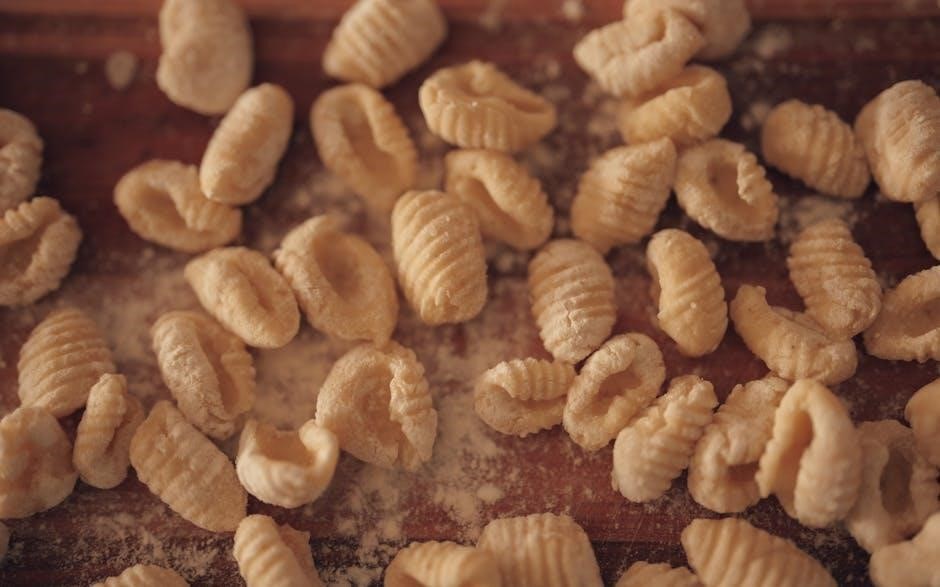
Red kidney beans are a standout source of resistant starch, consistently appearing at the top of lists detailing RS-rich foods. They contain a significant amount of RS1, a type inaccessible to digestive enzymes due to the bean’s cellular structure. This allows the starch to reach the large intestine, where it’s fermented by gut bacteria, promoting a healthy microbiome.
Cooking methods impact the resistant starch content; allowing cooked kidney beans to cool significantly increases RS levels. Incorporating cooled red kidney beans into salads or enjoying them as a side dish is a simple way to maximize their benefits. Their high fiber content, combined with the resistant starch, makes them a valuable addition to a gut-friendly diet, supporting digestive health and overall wellness.
Other Legume Sources
Beyond red kidney beans, a variety of other legumes contribute to resistant starch intake. These include lentils, chickpeas, and black beans, all offering varying degrees of RS, primarily RS1 due to their complex carbohydrate structures. Like kidney beans, the cooling process after cooking dramatically boosts their resistant starch content, making leftovers particularly beneficial.
Integrating these legumes into meals is versatile – soups, stews, salads, or as a side dish. Their fiber and protein content complement the resistant starch, providing sustained energy and promoting satiety. While the exact RS levels differ between legume types, consistently including them in your diet supports a thriving gut microbiome and contributes to overall digestive health. Experimenting with different legumes offers a diverse range of nutrients and flavors.
Tubers & Root Vegetables
Tubers and root vegetables represent excellent sources of resistant starch, particularly when consumed underripe or processed in specific ways. Green bananas, plantains, and cassava are prime examples, containing significant amounts of RS2 due to their inherent physical structure resisting digestion in the small intestine. Cooking and then cooling these vegetables further enhances their resistant starch content, a crucial factor for maximizing benefits.
Potato starch itself, in its native form, is almost entirely resistant starch (RS2). Utilizing green banana flour, plantain flour, or cassava flour as partial flour replacements in baking or cooking provides a convenient way to increase RS intake. Remember, however, that heating can reduce the resistant starch levels, so consider incorporating them into recipes that minimize prolonged cooking times.
Underripe Bananas
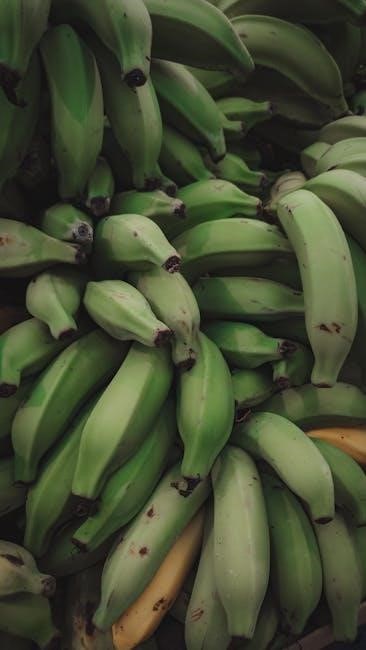
Underripe, or green, bananas are a standout source of resistant starch, specifically RS2. This type of starch escapes digestion in the small intestine due to the banana’s firm, dense structure when unripe. As bananas ripen, this resistant starch converts into sugars, diminishing its beneficial properties. Therefore, selecting bananas that are still greenish and slightly firm is key to maximizing RS intake.
Incorporating underripe bananas into your diet can be achieved through various methods. They can be added to smoothies, though the texture may be slightly different than ripe bananas. Alternatively, green banana flour, made from dried, unripe bananas, offers a versatile option for baking and cooking, providing a concentrated dose of resistant starch. Remember that cooking can still impact RS levels, so mindful preparation is important;
Green Banana Flour
Derived from unripe bananas that are peeled, dried, and ground, green banana flour is a potent source of resistant starch, primarily RS2. This flour offers a convenient and concentrated way to incorporate resistant starch into your diet, bypassing the need to consume whole, underripe bananas. Its mild flavor makes it surprisingly versatile in both sweet and savory applications.
Utilize green banana flour as a partial replacement for wheat or other flours in baking recipes like pancakes, muffins, or bread. It can also be used as a thickening agent in soups and sauces, or even added to smoothies for a boost of gut-friendly fiber. However, be mindful that baking or cooking can slightly reduce the resistant starch content, so adjust recipes accordingly to retain maximum benefits.
Plantain Flour
Similar to green banana flour, plantain flour is created from unripe plantains that undergo a process of peeling, drying, and grinding. It’s another excellent source of resistant starch, contributing significantly to gut health and overall well-being. Plantain flour boasts a slightly sweeter and more distinct flavor profile compared to its banana counterpart, lending a unique taste to culinary creations.
Incorporate plantain flour into your diet by substituting a portion of traditional flour in recipes. It works wonderfully in baked goods like breads, cookies, and pancakes, adding a subtle sweetness and a boost of resistant starch. It can also be used to thicken sauces or create gluten-free coatings for fried foods. Remember, cooking can diminish some of the resistant starch, so consider using it in recipes with minimal processing for optimal benefits.
Cassava Flour
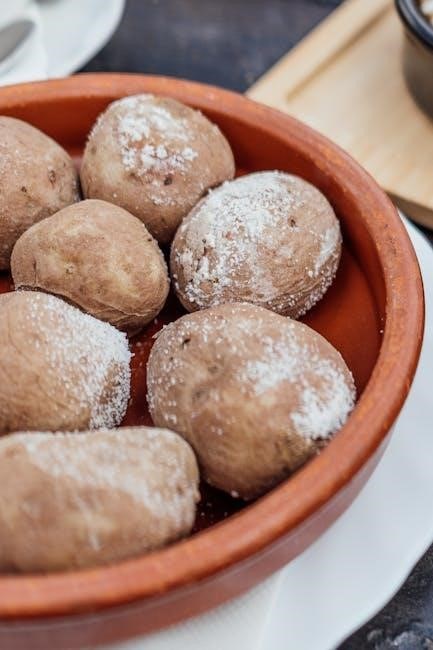
Derived from the cassava root, a staple in many tropical regions, cassava flour presents itself as a gluten-free alternative packed with resistant starch. The root undergoes a meticulous process of peeling, pulping, drying, and grinding to yield this versatile flour. It’s known for its mild, slightly sweet flavor, making it a flexible ingredient in diverse culinary applications.
Utilize cassava flour as a substitute for wheat flour in various recipes, including breads, cakes, and pastries. It’s particularly well-suited for creating gluten-free versions of traditional favorites. However, be mindful that cassava flour doesn’t bind as strongly as wheat flour, so you might need to adjust liquid ratios or add binding agents like eggs or xanthan gum. Like other starch sources, cooking impacts its resistant starch content, so minimal processing is ideal.
Potato Starch
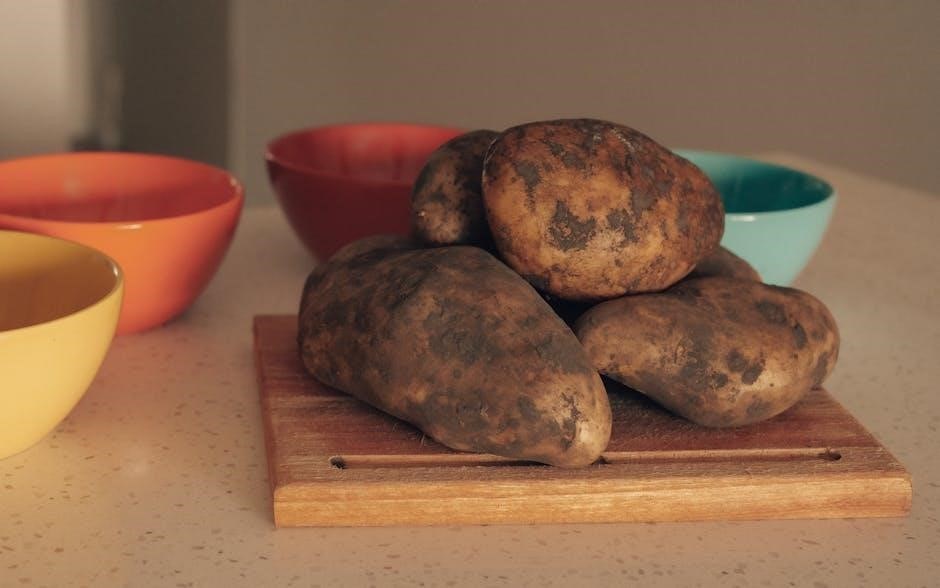
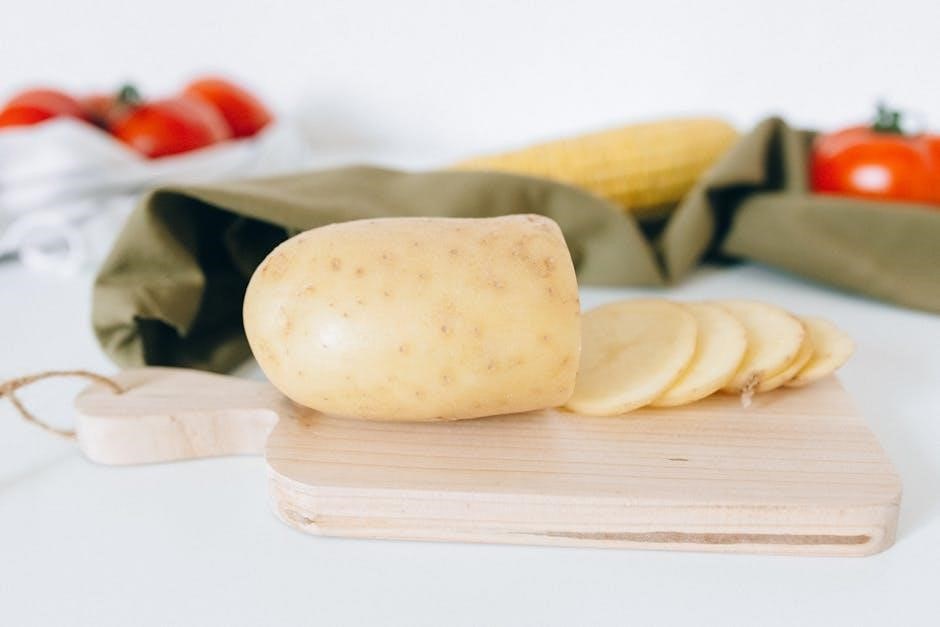
Extracted from potatoes, potato starch is a nearly pure form of carbohydrate, boasting a significant resistant starch content, especially when cooled after cooking. This makes it a valuable addition to a diet focused on gut health and improved metabolic function. Unlike potato flour, which includes the whole potato, starch is solely the endosperm, resulting in a finer texture and higher starch concentration.
Employ potato starch as a thickening agent in soups, sauces, and gravies, or use it as a partial flour replacement in baking. However, it lacks gluten and doesn’t provide structure on its own, so combining it with other flours is often necessary. Remember that resistant starch diminishes when heated and re-heated, so incorporating it into recipes that involve cooling is beneficial for maximizing its benefits.
Processed Foods
Certain processing methods can dramatically increase the resistant starch content of otherwise ordinary foods. Cooling cooked starches retrogrades them, altering their structure and making them less digestible in the small intestine – thus, increasing their resistant starch profile. This is particularly notable in commonly consumed staples like rice and potatoes.
Specifically, cooked and cooled rice, especially when refrigerated for at least 24 hours, develops a substantial amount of resistant starch. Similarly, cooked and cooled potatoes, such as leftover boiled or roasted potatoes, offer a significant boost in resistant starch compared to their freshly cooked counterparts; These simple modifications to food preparation can substantially contribute to a higher daily intake of this beneficial fiber, promoting gut health and overall well-being.
Cooked and Cooled Rice
Rice undergoes a remarkable transformation when cooked and subsequently cooled, becoming a surprisingly potent source of resistant starch. The cooling process, particularly refrigeration for at least 24 hours, induces a process called retrogradation. This alters the rice’s molecular structure, forming resistant starch crystals that evade digestion in the small intestine.
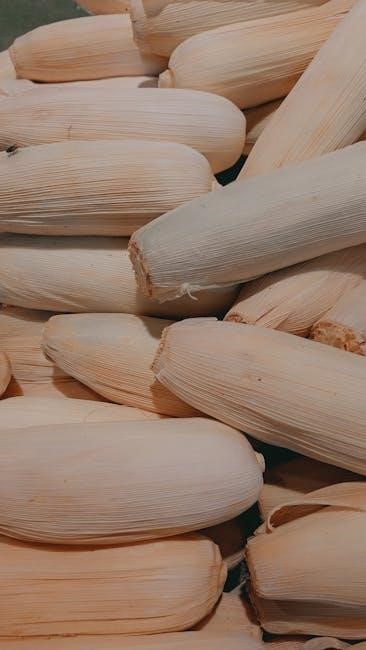
Different types of rice exhibit varying levels of resistant starch development. While all rice benefits from cooling, some varieties, like cooled white rice, can contain significant amounts. This makes it a readily accessible and affordable way to increase resistant starch intake; Incorporating leftover rice into cold salads or enjoying it chilled as a side dish are practical strategies to maximize its benefits for gut health and metabolic function.
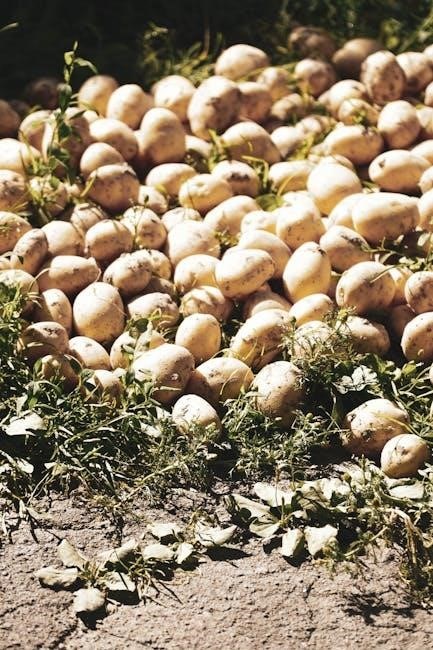
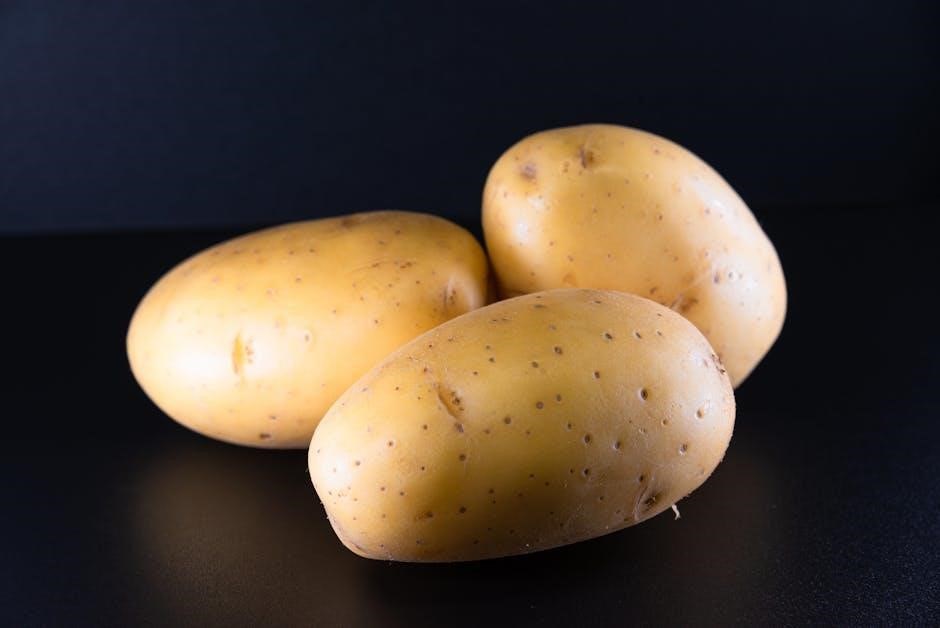
Cooked and Cooled Potatoes
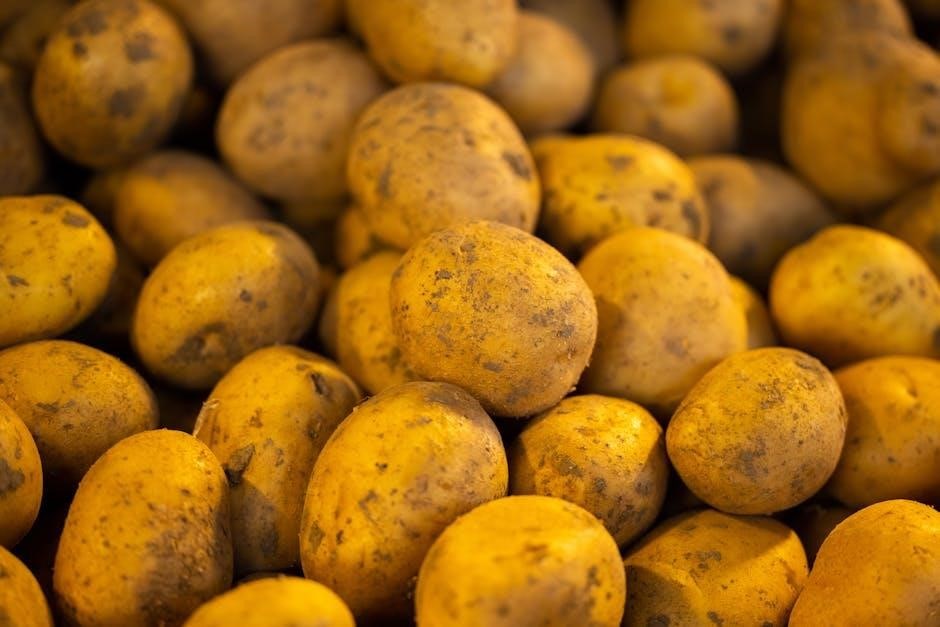
Potatoes, a staple in many diets, surprisingly become a valuable source of resistant starch when subjected to a simple culinary technique: cooking and cooling. Similar to rice, the cooling process—specifically refrigeration for several hours, ideally overnight—causes retrogradation. This structural change creates resistant starch, bypassing digestion in the small intestine and reaching the large intestine for fermentation by gut bacteria.
The amount of resistant starch formed depends on the potato type; waxy potatoes generally yield higher levels than starchy varieties. Enjoying potatoes as potato salad, or simply refrigerating leftover boiled or baked potatoes, significantly boosts their resistant starch content. This simple modification enhances their contribution to gut health, improved blood sugar control, and increased satiety, making them a beneficial addition to a balanced diet.
Maximizing Resistant Starch Intake
Strategic cooking and cooling methods, alongside mindful food choices, are key to amplifying resistant starch benefits for improved gut microbiome health.
Cooking and Cooling Effects
The fascinating impact of cooking and subsequent cooling on resistant starch levels significantly influences its bioavailability and gut health benefits. Cooking starch-rich foods, like potatoes and rice, gelatinizes the starch granules, making them more digestible. However, upon cooling, this gelatinized starch undergoes a process called retrogradation.
Retrogradation forms crystalline structures, rendering the starch resistant to enzymatic digestion in the small intestine. This means more starch reaches the large intestine, where it’s fermented by gut bacteria, producing beneficial short-chain fatty acids. Therefore, preparing foods like potatoes, rice, and even pasta ahead of time, cooking them, allowing them to cool completely – ideally in the refrigerator – and then consuming them cold or reheating them, dramatically increases their resistant starch content. This simple technique is a powerful tool for boosting your intake.
Resistant Starch and Gut Health
Resistant starch plays a pivotal role in fostering a thriving gut microbiome, acting as a prebiotic fiber that nourishes beneficial bacteria in the large intestine. Unlike digestible starches, resistant starch escapes digestion in the small intestine, reaching the colon where it’s fermented by these microbes.
This fermentation process yields short-chain fatty acids (SCFAs), such as butyrate, propionate, and acetate, which are crucial for gut health. Butyrate, in particular, serves as the primary energy source for colon cells, promoting gut barrier integrity and reducing inflammation. Increased resistant starch intake is linked to improved insulin sensitivity, enhanced mineral absorption, and potentially, a reduced risk of colon cancer. A diverse and well-nourished gut microbiome, fueled by resistant starch, is fundamental to overall health and wellbeing.